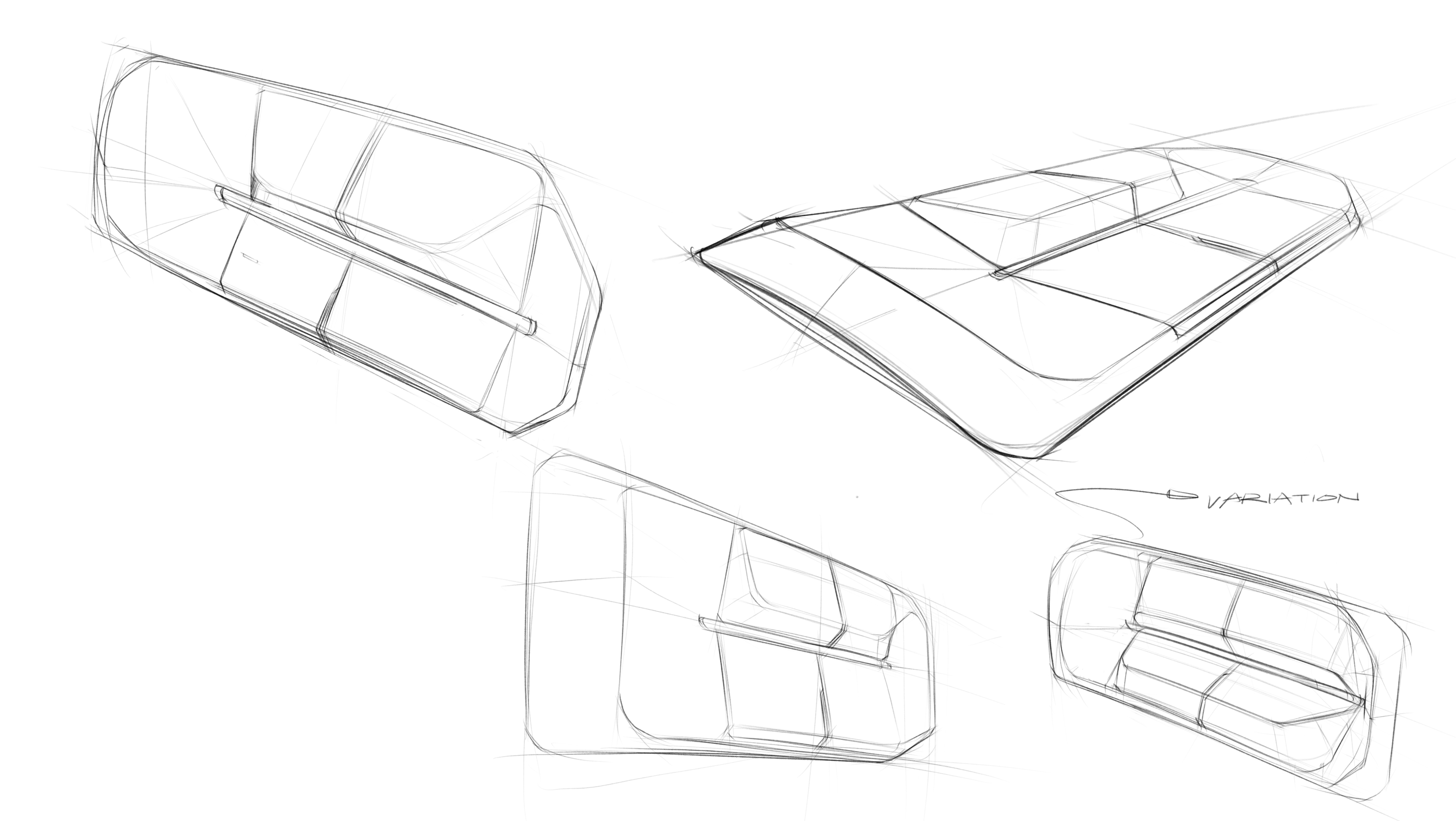
where looking, thinking, hand movement, memory, perception, and interpretation come together.
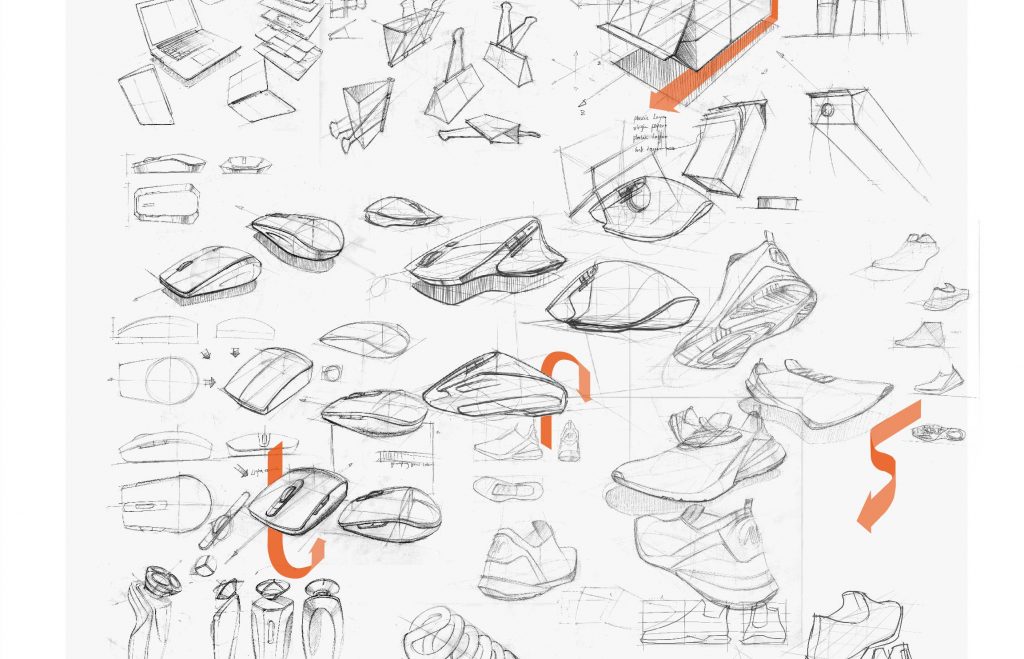
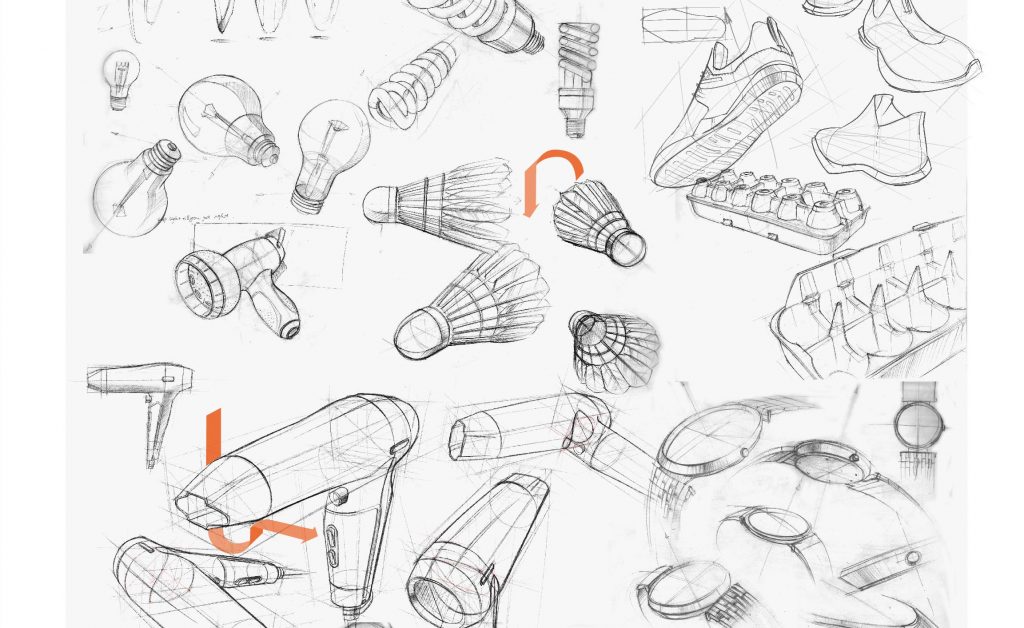
People think that the difficulty of drawing is making things look accurate, but accuracy is the least significant part of drawing. But you have to learn how to draw accurately before you can do anything else. Then you can begin to think about drawing expressively. Drawing has always been the most fundamental way of engaging the world. When children are prevented from drawing, their brains don’t develop fully. If I wasn’t drawing, I have a sense that I would not be seeing. So for me, drawing has always been an absolutely primary way of encountering reality. I always think of every drawing as a kind of miraculous occurrence.
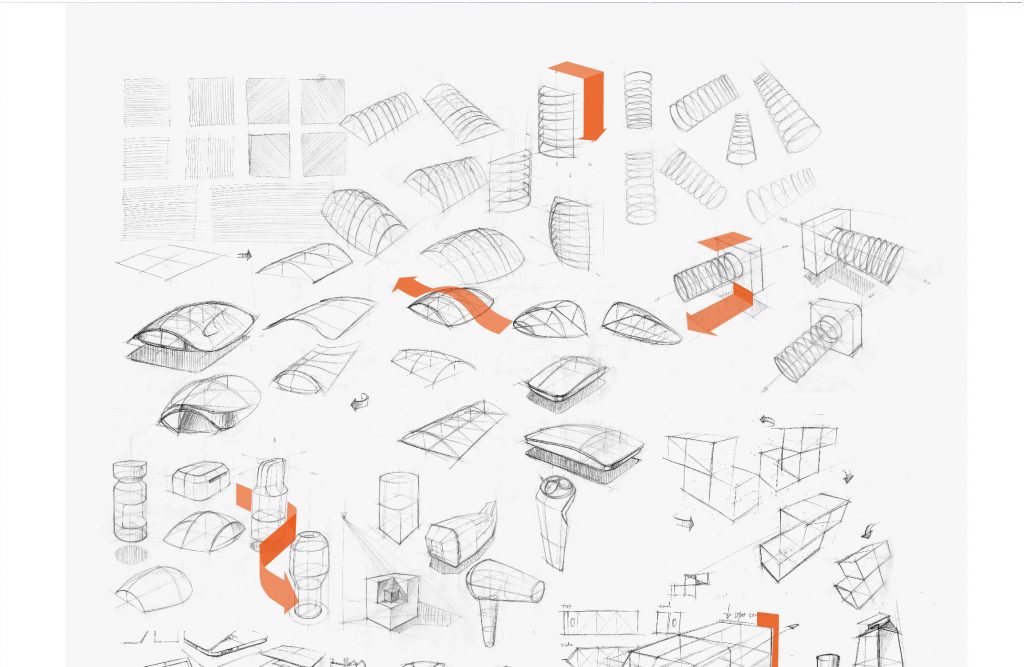
The basics of sketching, like learning how to create forms on paper.
Visual language leve 2
Articulation
Understanding and applying visual grammar and design principles.
Visual language leve 3
Poetic Expression
Where sketches carry emotion and nuance, adding a deeper layer of meaning.
Pronunciation
7 steps to learn sketching
Digital technologies has been transformed into our studio classroom.
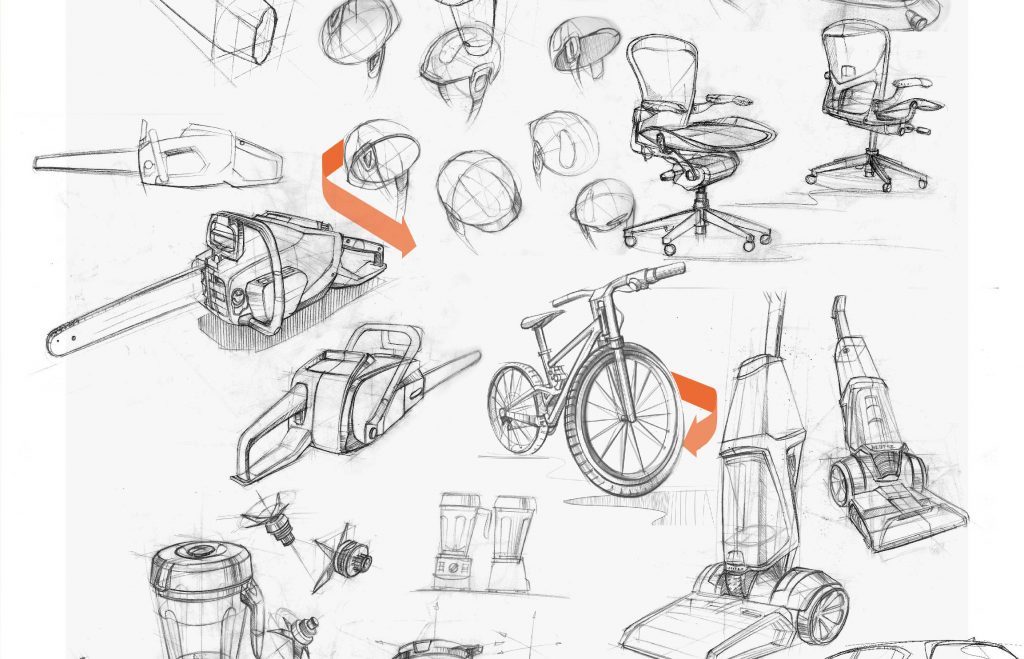
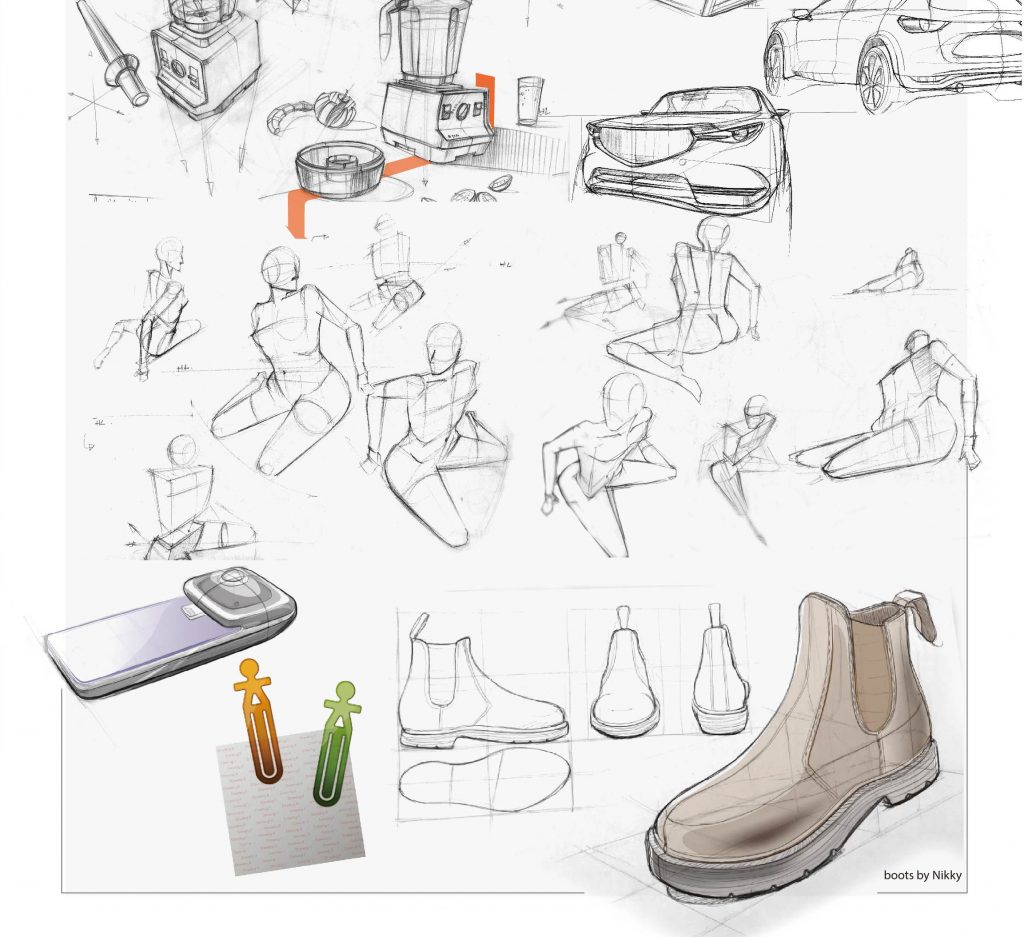
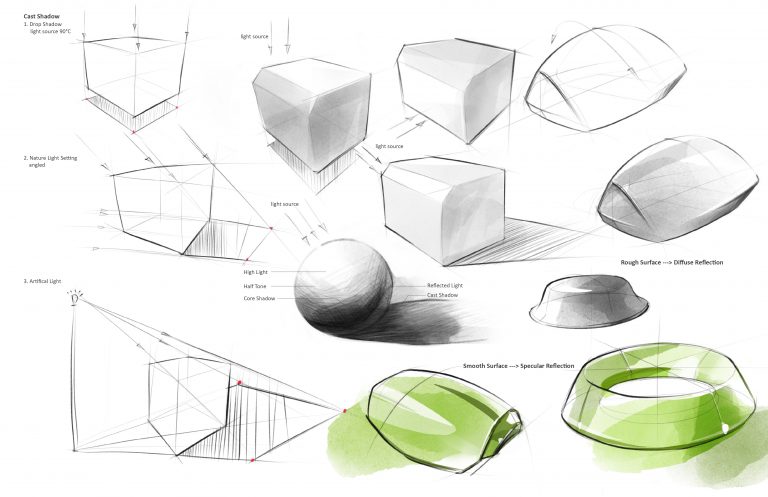
Our hands are still coordinated better for real paper and canvas. However, digital media will be encouraged to use to finalize the paper drawings. Especially when it comes to presentational drawing, digital media will be used to blend value and colors
We will also take advantage of digital media and it will be used to give feedbacks and critics. It would be much more efficient to move and scale anything in order to make some adjustment with digital media, and those recorded drawing tips and feedbacks could give students a clearer idea of how an object’s structured in perspective.
feedback on each session
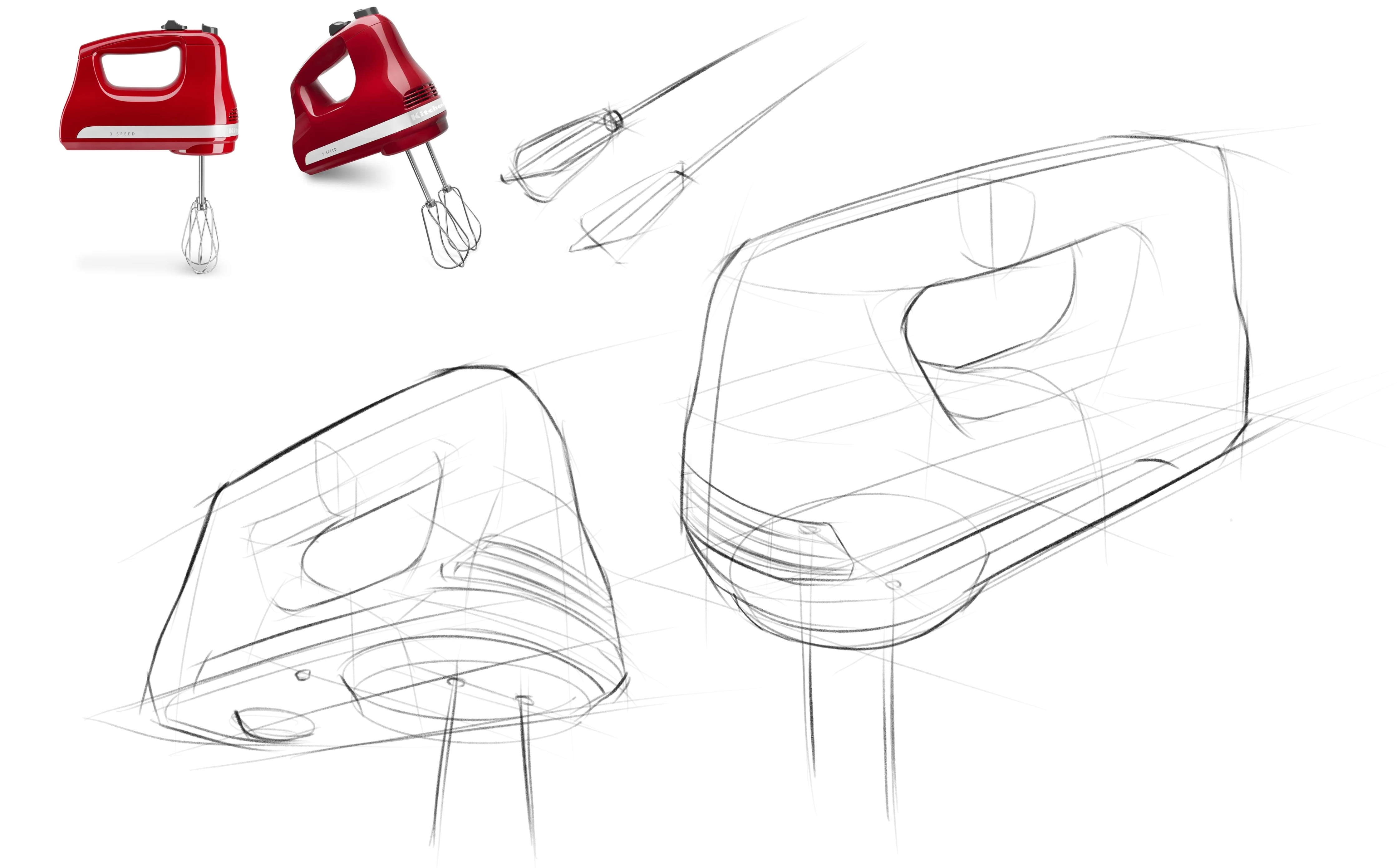
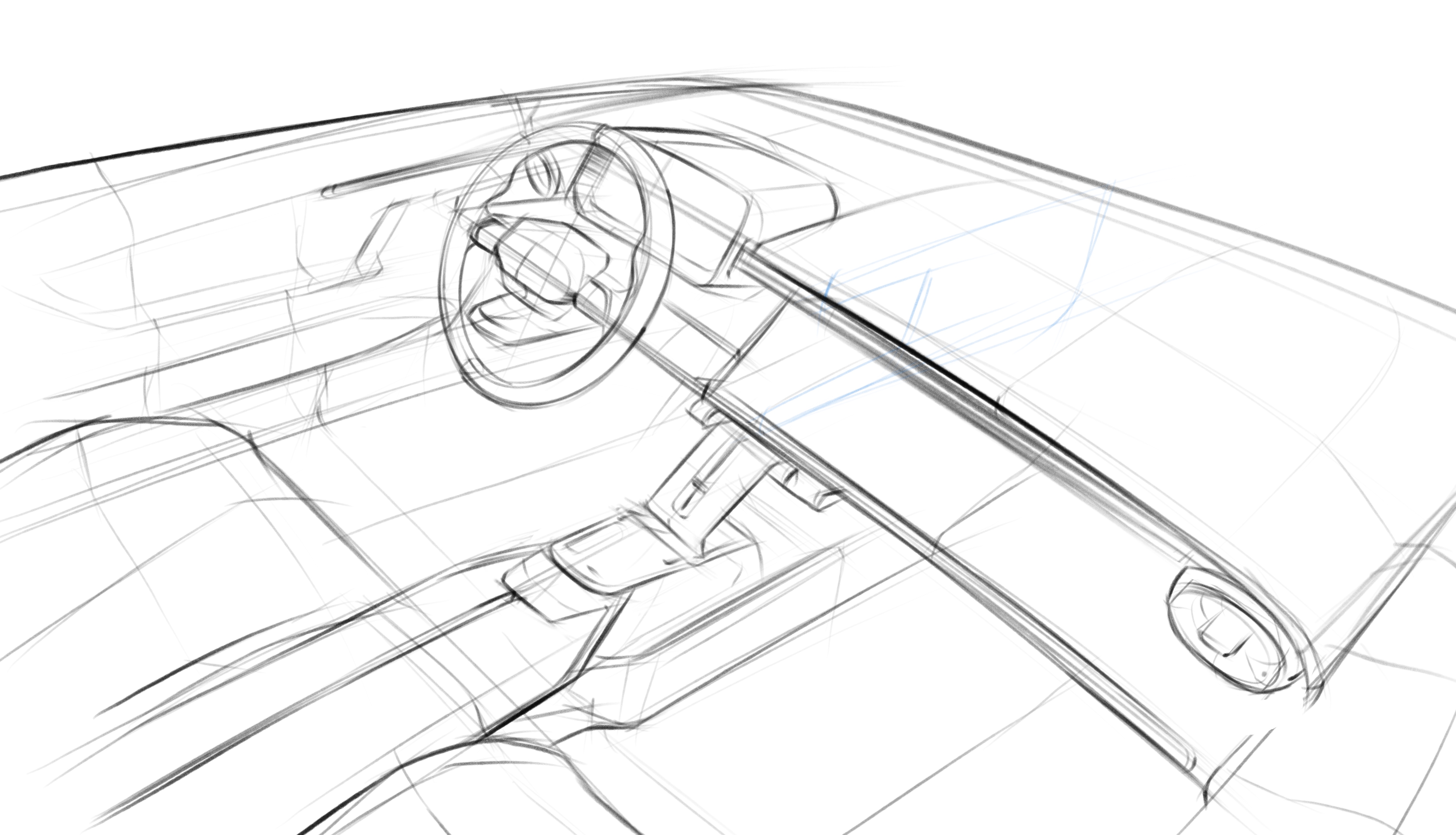
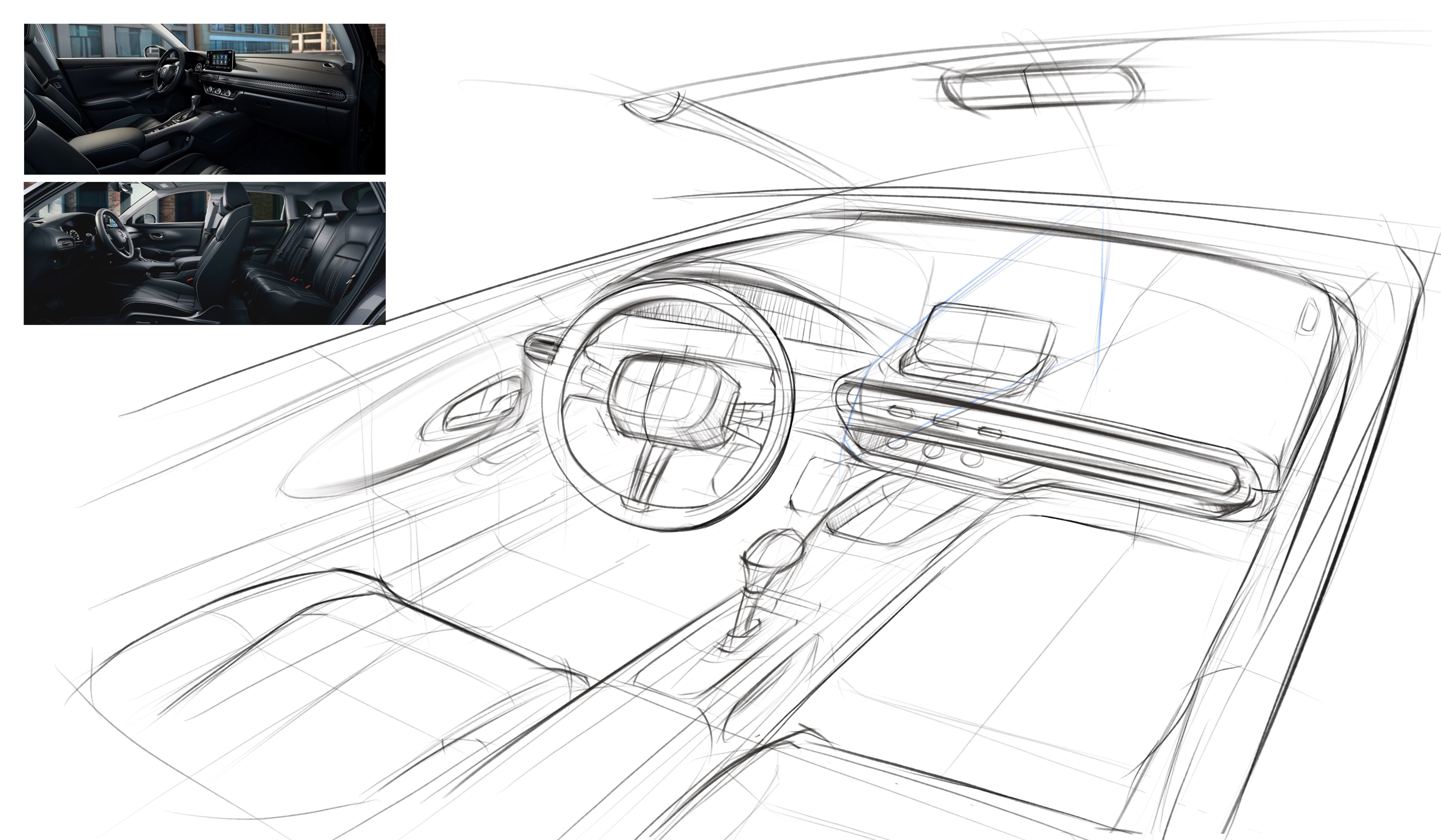
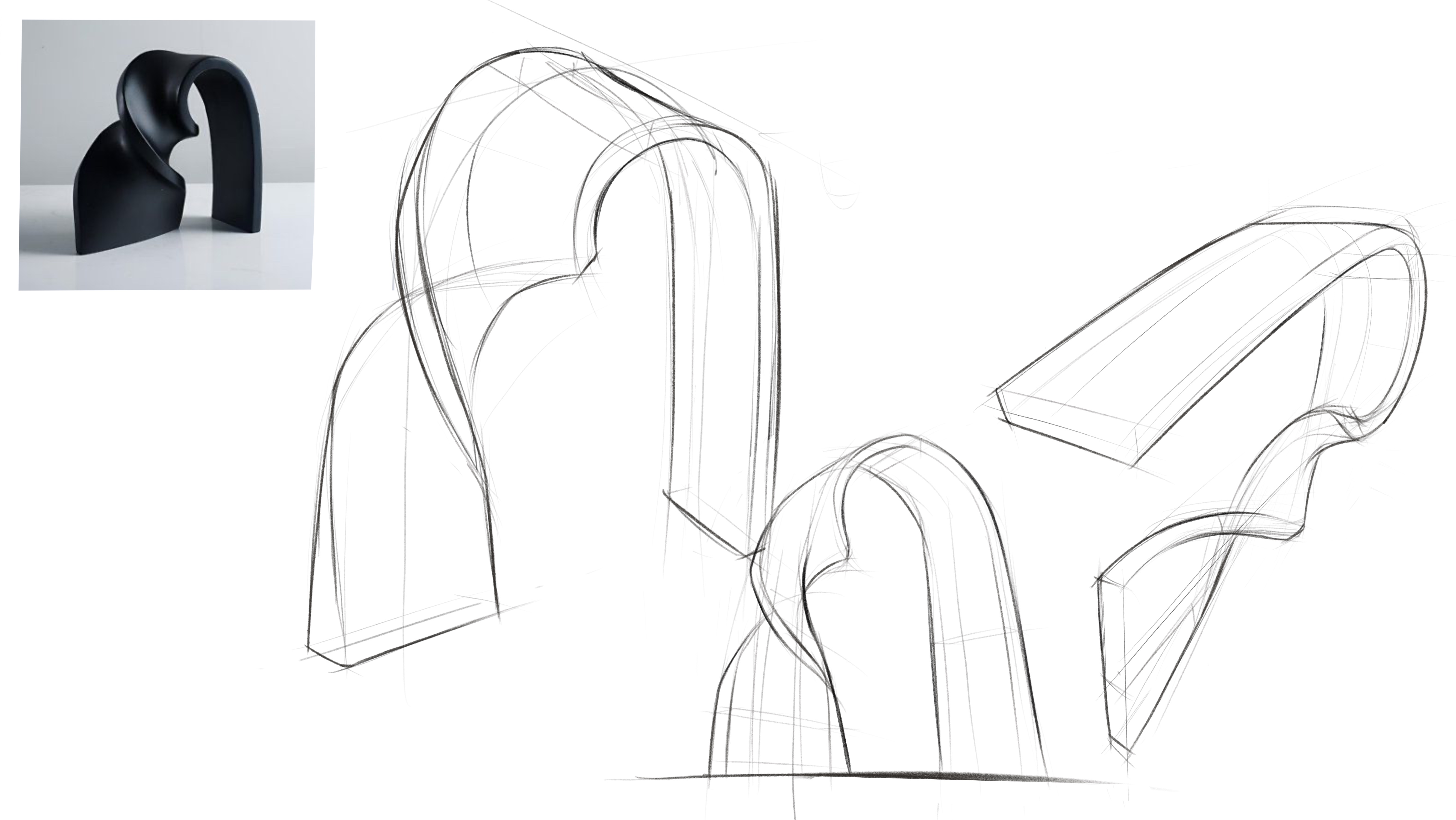
Perspective Drawing
demonstrations
three type of visual communication
Perspective Drawing
Create three dimensional illusion on a two dimensional media
Phase 1
Stay right on this page or check all demos from the link below