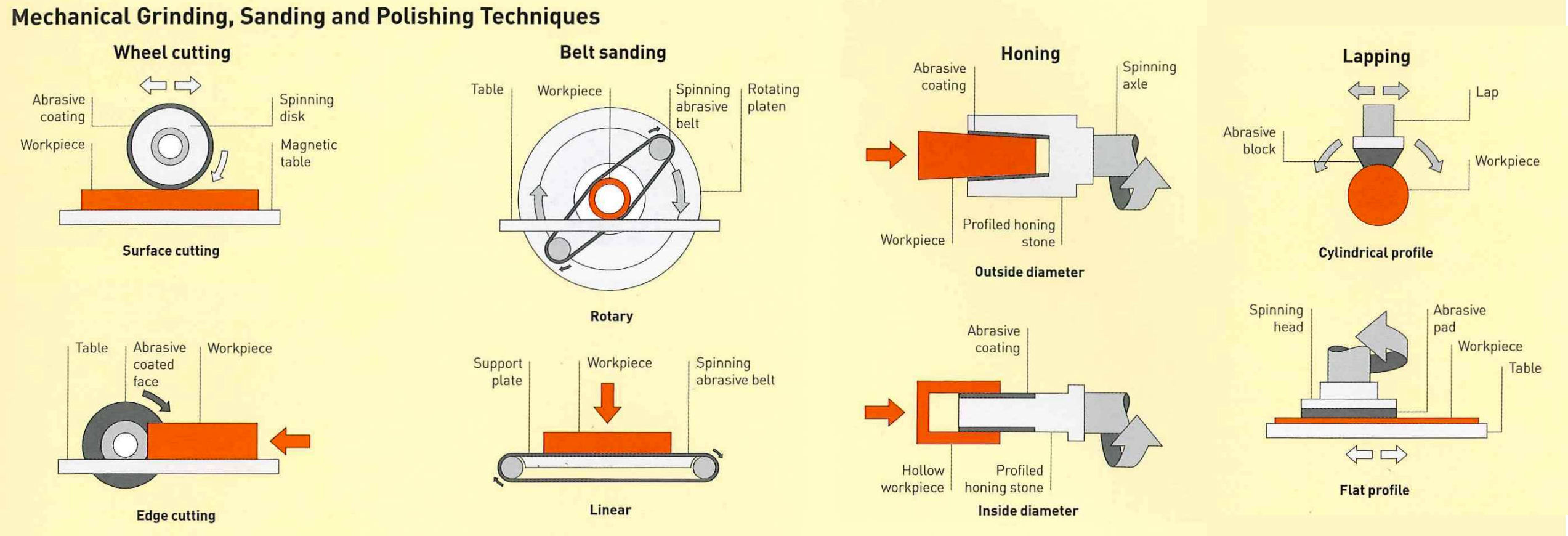
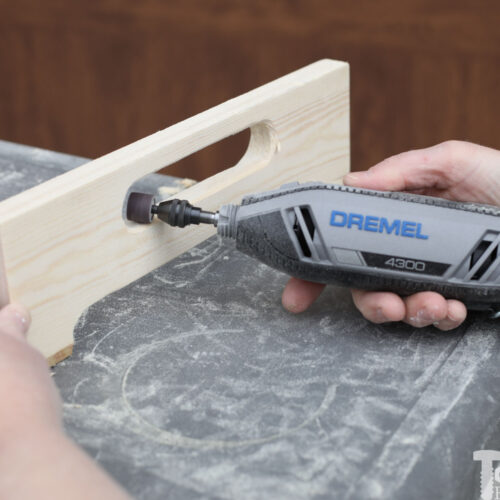
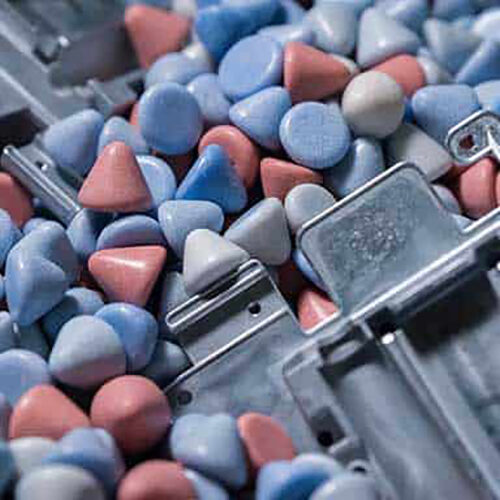
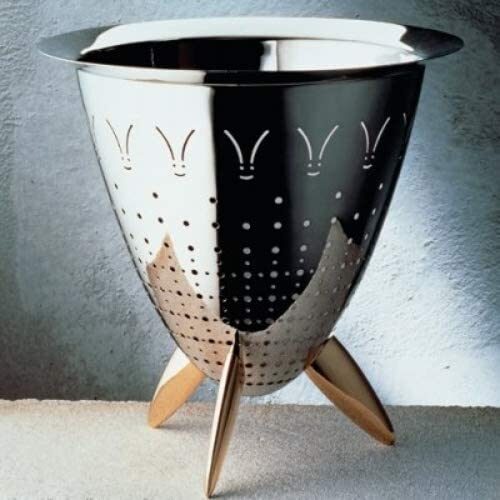
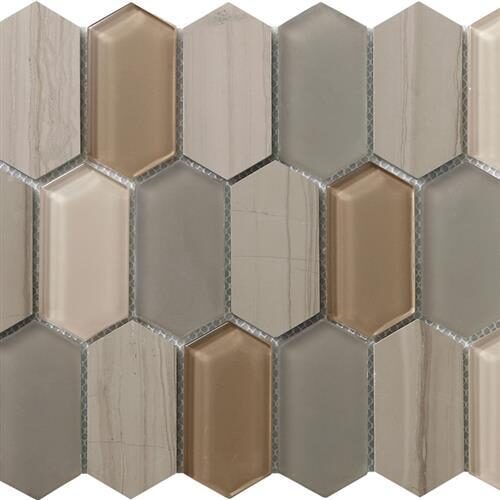
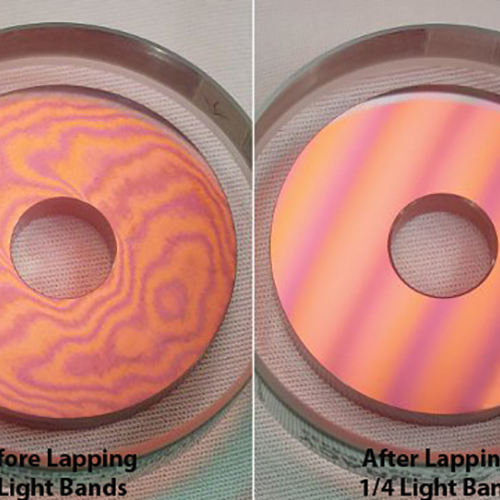
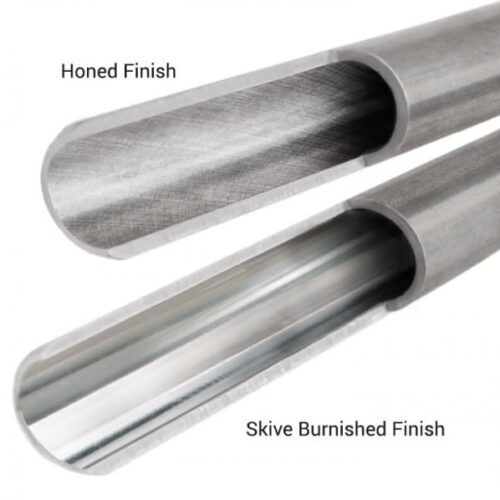
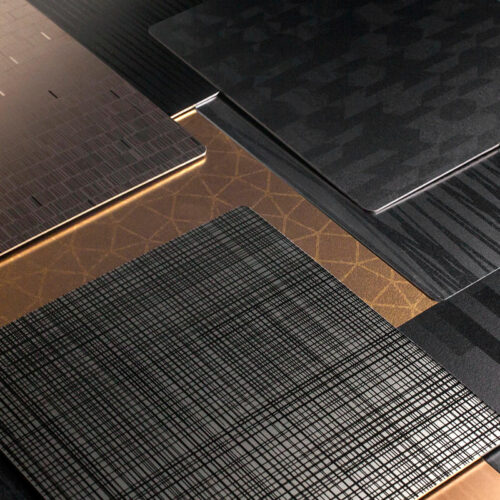
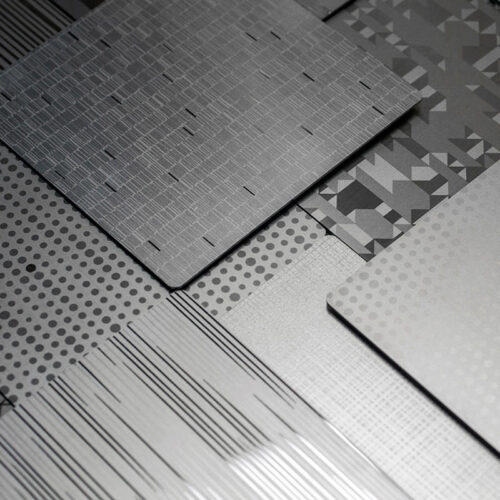
Grinding, sanding and polishing cover a wide range of processes used to finish metal, wood, plastic, ceramic and glass products.The size andtype of abrasive particle, combined with the method
of finishing, will determine the range
of surface effects that can be achieved.
The surface finish ranges from coarse to mirror and can be a uniform texture or patterned depending on the technique used and type and size of abrasive particles. Video-How the Alessi Bird Kettle is made?
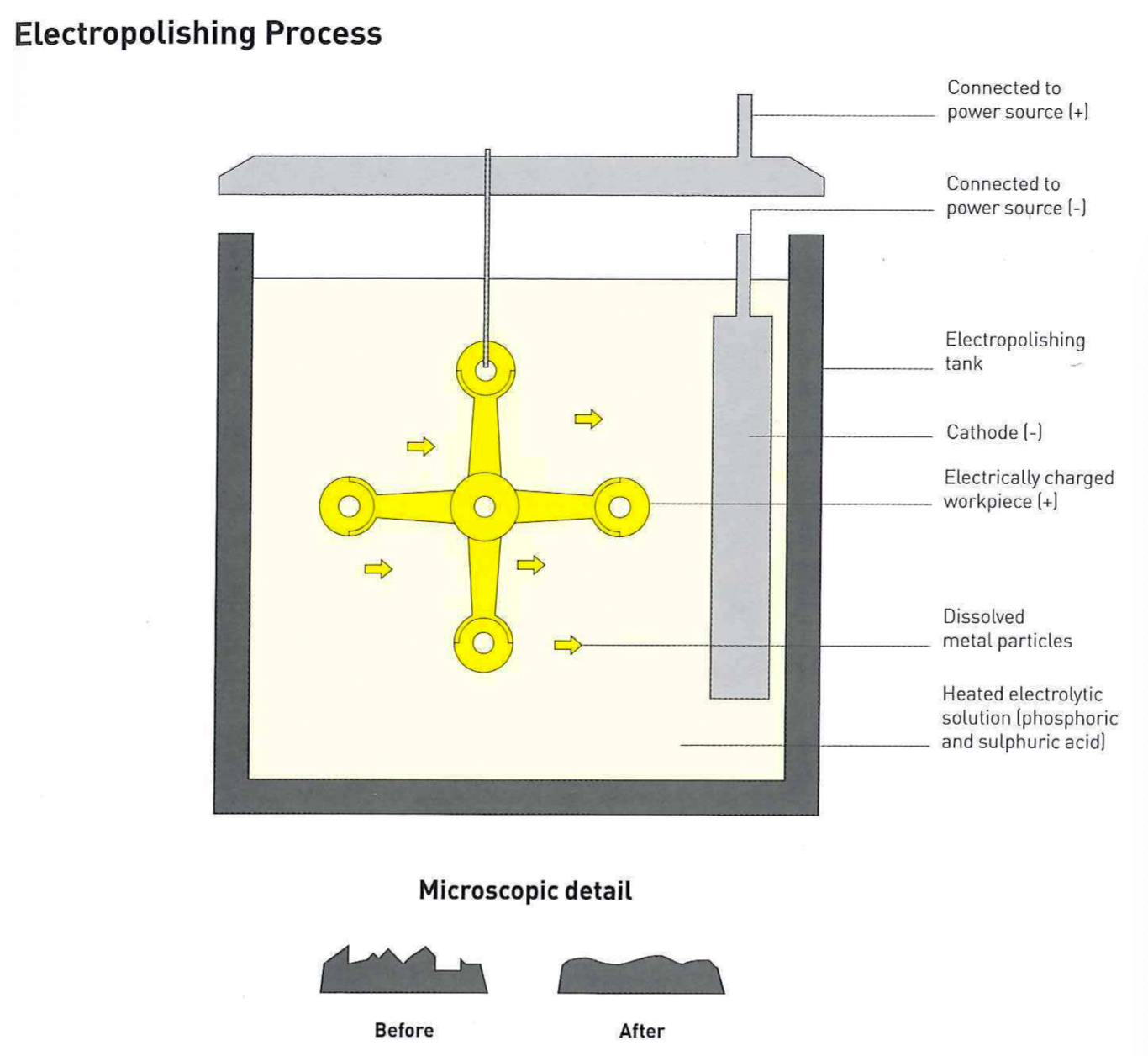
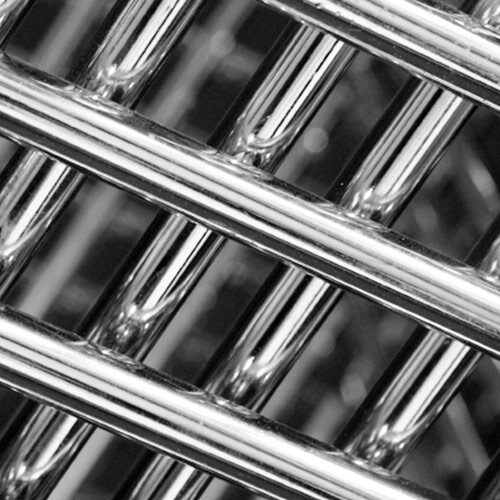
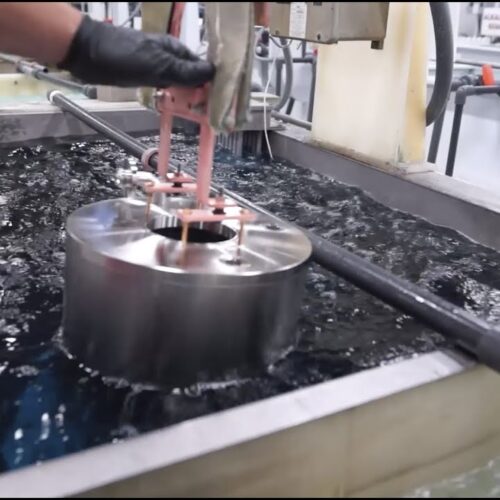
This is the reverse of electroplating; material is removed from the surface of the workpiece by electrochemical action to leave metal parts with a bright and clean finish.
Electropolished stainless steel has similar visual characteristics to chrome- plated metals. Electropolishing is a simpler process than electroplating chrome and uses less water and chemicals, so is more cost effective. As a result of the increase in use of electropolishing, it is steadily becoming less expensive.
Abrasive Blasting
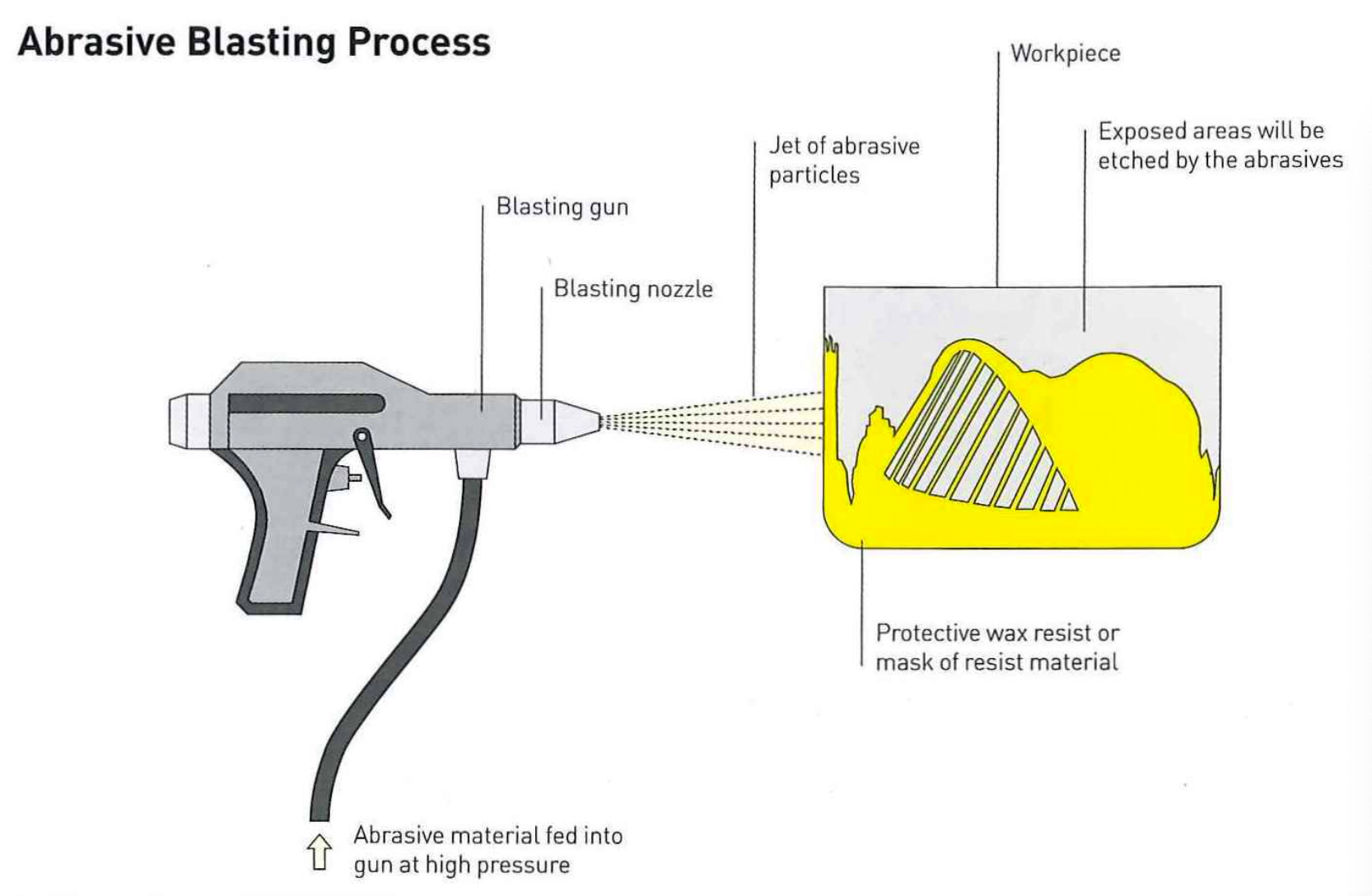
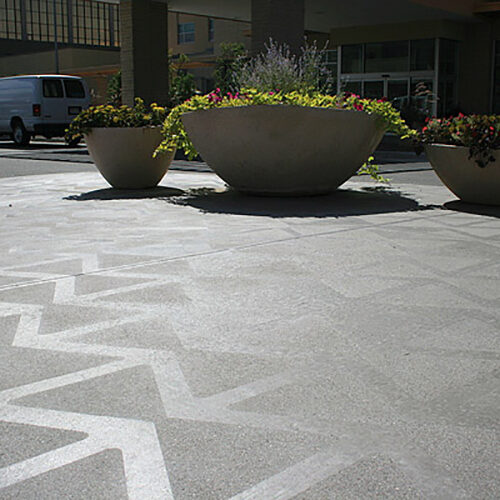
This is a generic term used to describe the process of surface removal by fine particles of sand, metal, plastic or other abrasive materials, which are blown at high pressure against the surface of the workpiece and produce a finely textured finish.
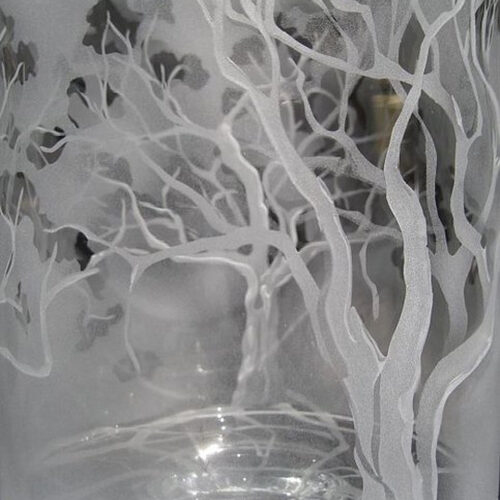
It includes sand blasting, dry etching, plastic media blasting (PMB), shot blasting, and bead blasting. All of these have 2 main functions. Firstly, they are used to prepare a surface for secondary operations by removing contaminants and applying a fine texture that will aid surface addition processes. Secondly, they can be used to apply a decorative texture to the surface of a part such as affecting the transparency of glass applying a pattern.
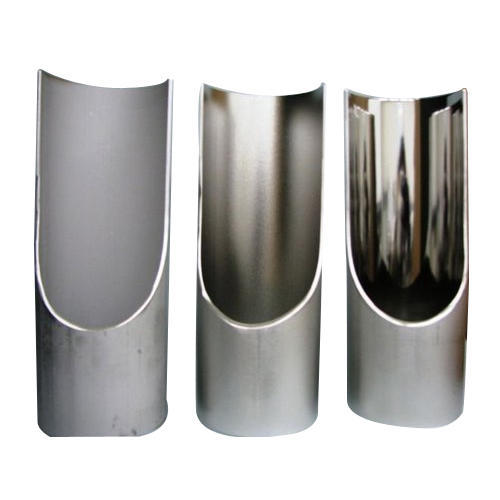
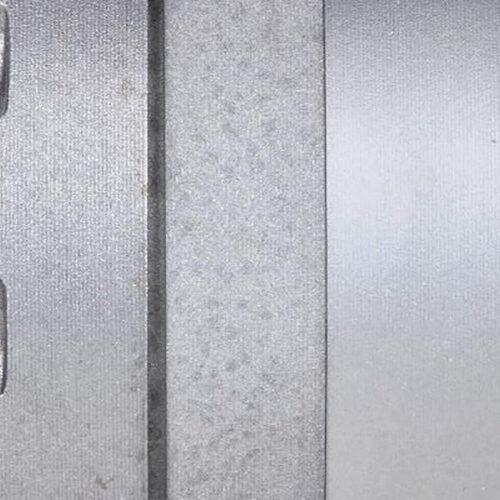
From left to right, the media used are as follows:
#13 Fine Glass Bead – very smooth, matte surface finish
Decorative Sandblasting Glass
Photo Etching
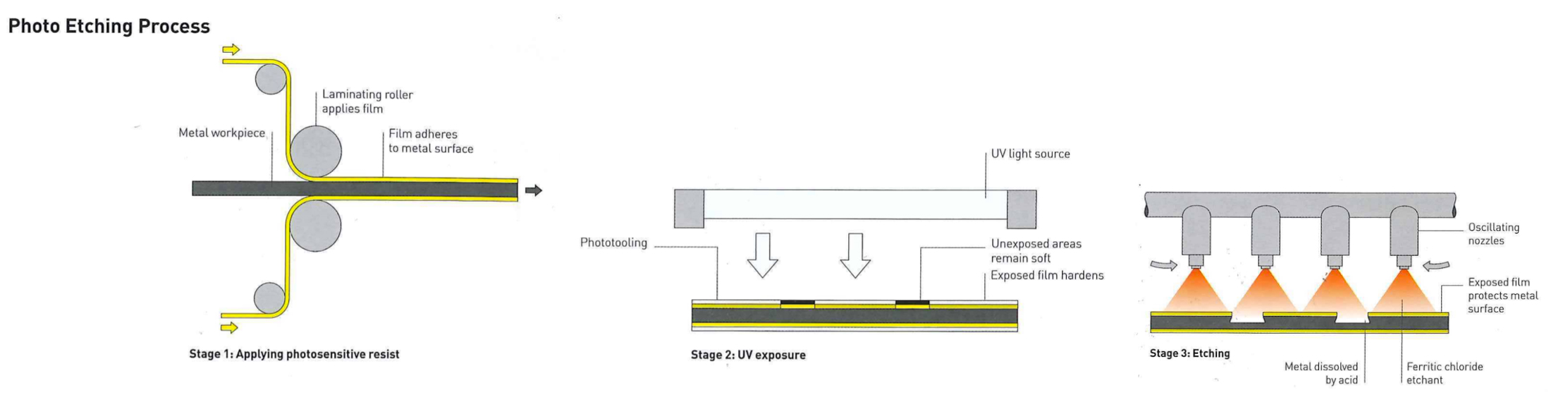
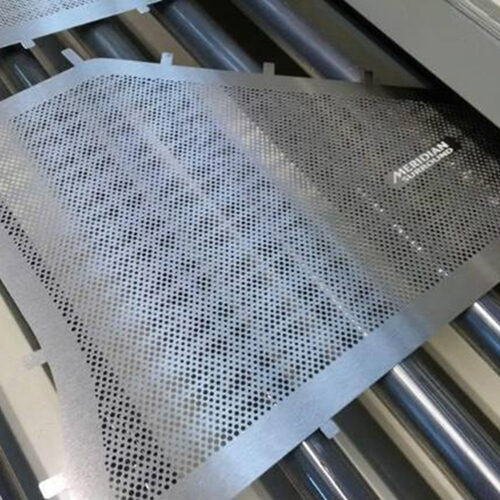
Photo etching also referred to as acid etching and wet etching is the process of surface removal by chemical dissolution.
This process is precise andlow cost.
This is surface removal by chemical cutting. It has a similar appearance to abrasive blasting. The surface of the metal is masked with a resist film and unprotected areas are chemically dissolved in a uniform manner.
CNC Engraving
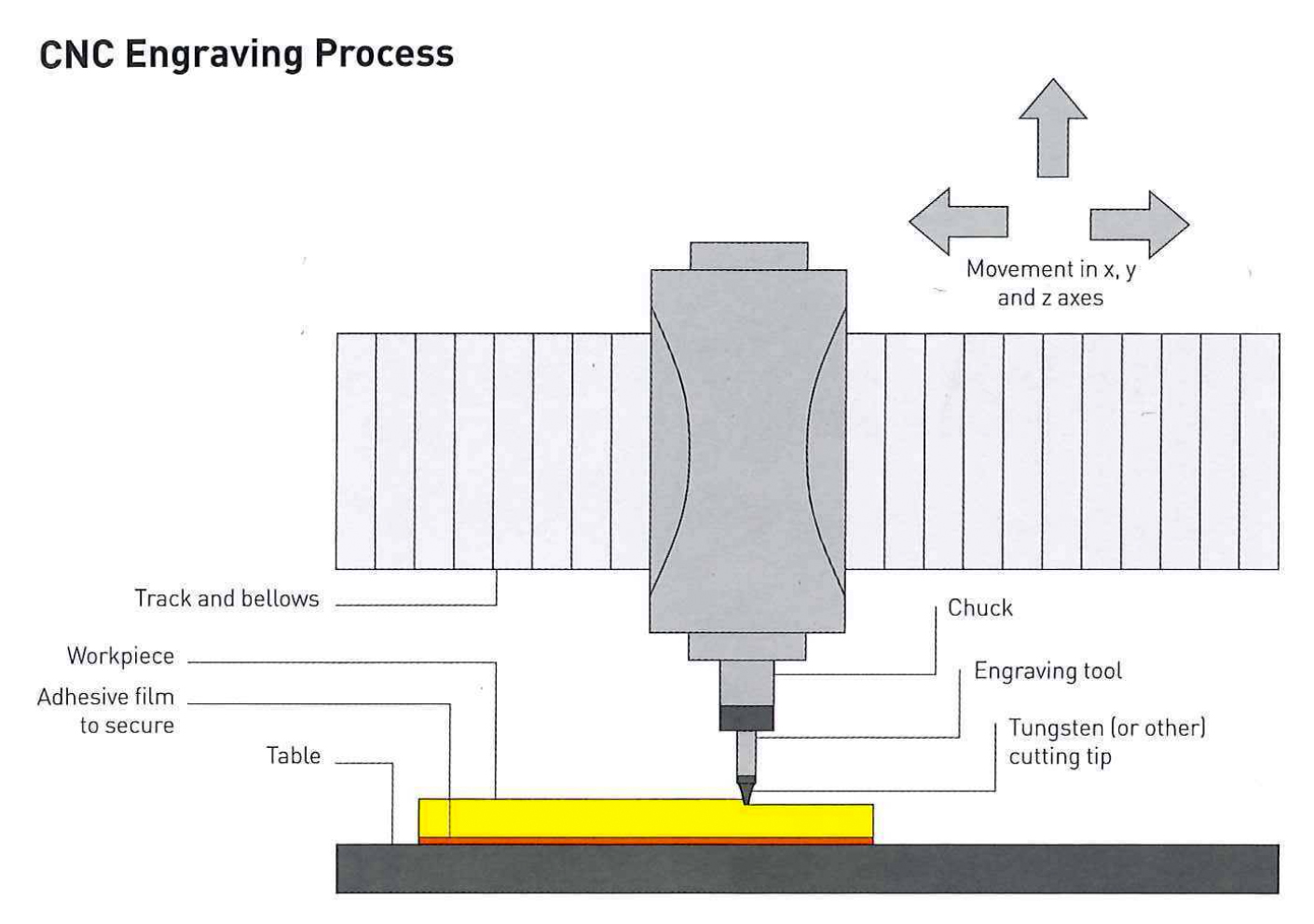
The CNC engraving process is carried out on a milling or routing machine. These machines will operate on a minimum of 3 axes; x,y and z. Machines operating on 3 axes are suitable for engraving flatworl<;5-axis machines are able to produce more complex engravings and accommodate 3D surfaces, but are more expensive to run,
A precise method for engraving 2D and 3D surfaces, CNC engraving is a high quality and repeatable process. Filling engravings with different colours and the use of clear materials are effective ways to enhance design details.
AI
AI Yingying
The design instructor
Hi, this is Yingying's AI agent, do you have questions for me?
This AI assistant is for design-related questions only.
Conversation logs will be saved for research purposes. By continuing, you agree to this use.
If you're open to a brief follow-up survey, you may optionally
leave your email below.
Saved, thank you!
Heard:
AI-generated responses. AI-generated voice. Conversations may be reviewed by site admins. Retention:
30 days.